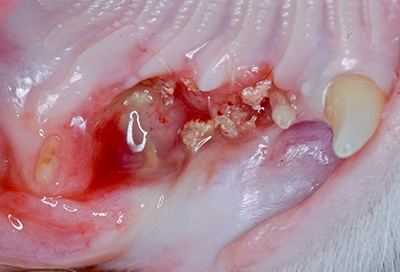
Causes Of Oral Cancer In Cats / Cat Diagnosed with mouth Cancer treated and healed with ... : Mouth cancer can be a tumor located anywhere within a cat's oral cavity including the lips, tongue, cheeks, roof of the mouth, upper or lower jaw, and back of the mouth.
Dapatkan link
Facebook
X
Pinterest
Email
Aplikasi Lainnya
Causes Of Oral Cancer In Cats / Cat Diagnosed with mouth Cancer treated and healed with ... : Mouth cancer can be a tumor located anywhere within a cat's oral cavity including the lips, tongue, cheeks, roof of the mouth, upper or lower jaw, and back of the mouth.. Feline oral squamous cell carcinoma (scc) is the most common cancer in the mouth in cats. All of which can become cancerous (e.g., skin cells, bone cells, fibrous cells). Mouth cancer is cats is commonly caused by the oral malignancy known as squamous cell carcinoma. An oral tumor is an abnormal growth of cells. Squamous cell carcinoma (scc) is the most common oral malignancy in the cat, arising from either the jaw bones or the tongue.
While the causes of cancer in cats are unknown, feline leukemia virus is suspected to be a prime contributor. Cancer in cats occurs in different areas of the body and may include certain organs, lymph nodes and bones. The most common type of stomach cancer in cats is lymphoma. It represents more than 75% of oral feline tumors. The oral version tends to be aggressive, destructive and painful, says cornell feline health center , but lesions tend not to spread.
Causes Of Oral Cancer In Cats : Oral Tumors In Cats ... from www.ahp.si Other cancers include lymphoma and malignant melanoma. Carcinoma is a type of tissue cancer that is particularly virulent, metastasizing quickly through the body, often with fatal results. The most common type of stomach cancer in cats is lymphoma. Mouth cancer can be a tumor located anywhere within a cat's oral cavity including the lips, tongue, cheeks, roof of the mouth, upper or lower jaw, and back of the mouth. In most cases, the cause of a cat's lymphoma is unknown. Some tumors may grow slowly and do not typically spread, called benign, while others will act aggressively called malignant. Approximately 70% of oral tumors in cats are squamous cell carcinomas. These tumors grow from the lining of the oral cavity, including the gums, tongue, palate, and tonsils.
Oral masses in cats may be caused by inflammation, infection, or even trauma.
Oral masses can form in any age or breed of cat, but older cats and male cats seem to be more prone to getting them. Therefore, early detection is vital. A cat's mouth, similar to our own, is made up of several different cell types; Although metastasis (spread) to other organs Paul hergenrother, examines a new treatment approach for feline oral squamous cell carcinoma, the most common mouth cancer in cats and one that currently has very. Mouth cancer can be a tumor located anywhere within a cat's oral cavity including the lips, tongue, cheeks, roof of the mouth, upper or lower jaw, and back of the mouth. This cancer sign in cats often goes unnoticed for too. This type of cancer invades surrounding structures of the mouth including the mandible, maxilla, dental arcade, tongue and other portions of the oral cavity. An aggressive form of oral cancer in cats, oral squamous cell carcinoma or scc is an extremely invasive tumor that attacks the jaw bone. Vaccines seemed to be causing cancers in cats. Scc is a particularly aggressive cancer, rapidly growing and invading nearby tissues and bone. Cats suffering from oral tumors often develop jaw cancer or cancer in the oral cavity. Carcinomas can occur in any part of the body, including the mouth.
Oral masses in cats may be caused by inflammation, infection, or even trauma. A cat's mouth, similar to our own, is made up of several different cell types; It is the most common oral cancer in cats. In particular, i'm thinking of siamese cats, who are 8 times more likely to develop intestinal cancer than other feline breeds. Paul hergenrother, examines a new treatment approach for feline oral squamous cell carcinoma, the most common mouth cancer in cats and one that currently has very.
Oral Tumors in Cats - An Overview | VCA Animal Hospital from vcahospitals.com Lymphoma typically happens in older felines and most commonly occurs in the small intestines, says dr. This article will refer to scc as it is the most common type of oral cancer in cats. The most common oral cancer in the cat, by far, is squamous cell carcinoma. This is a challenging cancer to find early and treat. Canine oral neoplasia ( tumors ) occurs more frequently in males and commonly affected breeds include cocker spaniels, poodles, scottish terriers, schnauzers, weimaraners, golden retrievers and boxers. Lymphoma is by and large the most common cancer that affects cats, although there are other types of feline cancers that can affect domestic cats. Approximately 70% of oral tumors in cats are squamous cell carcinomas. Some tumors may grow slowly and do not typically spread, called benign, while others will act aggressively called malignant.
An oral tumor is an abnormal growth of cells.
Squamous cell carcinoma is a highly aggressive form of oral cancer in cats, and it can be difficult to detect since felines are notoriously furtive about showing signs of illness. An aggressive form of oral cancer in cats, oral squamous cell carcinoma or scc is an extremely invasive tumor that attacks the jaw bone. The rate of metastasis at the time of diagnosis is low. Because of oral tumors which occurs in pets can change their diet from hard food to soft food. Other studies found evidence of papilloma virus in the tumor cells. Squamous cell carcinoma is the most common oral tumor seen in cats. It represents more than 75% of oral feline tumors. Cats suffering from oral tumors often develop jaw cancer or cancer in the oral cavity. The cancers, called sarcomas (or more specifically. Therefore, early detection is vital. Approximately 70% of oral tumors in cats are squamous cell carcinomas. Cancer in cats occurs in different areas of the body and may include certain organs, lymph nodes and bones. Mouth cancer can be a tumor located anywhere within a cat's oral cavity including the lips, tongue, cheeks, roof of the mouth, upper or lower jaw, and back of the mouth.
It represents more than 75% of oral feline tumors. The oral version tends to be aggressive, destructive and painful, says cornell feline health center , but lesions tend not to spread. This is a very aggressive cancer, but treatments such as surgery and pain medication help prolong the cat's life. The tumors are usually found on the tongue, pharynx, tonsils, or jaws, and usually invade the surrounding bone. Carcinoma is a type of tissue cancer that is particularly virulent, metastasizing quickly through the body, often with fatal results.
Oral Cancer in Cats - Cat-World - Home from www.cat-world.com.au This cancer sign in cats often goes unnoticed for too. Owners may notice a mass in the cat's mouth. Sores, lumps, a strange odor, bleeding, or a change in gum color can be a sign of oral cat cancer, particularly in older cats. It is the most common oral cancer in cats. All of which can become cancerous (e.g., skin cells, bone cells, fibrous cells). Lymphoma typically happens in older felines and most commonly occurs in the small intestines, says dr. Vaccines seemed to be causing cancers in cats. Oral masses can form in any age or breed of cat, but older cats and male cats seem to be more prone to getting them.
Oral scc is the most common form of cat mouth cancer, causing 70 to 80 percent of oral cancerous tumors.
The two most common types of oral cancers that occur in cats include squamous cell carcinomas and fibrosarcomas. Oral masses can form in any age or breed of cat, but older cats and male cats seem to be more prone to getting them. Other factors suspected to increase rates of feline cancer include toxins from the environment, passive smoking, excessive grooming, or licking parts of the body that have been in contact with an environmental toxin. Often associated with the feline leukemia virus, the cornell feline health center notes that this is perhaps the most common cause of cat cancer overall. Cancer in cats occurs in different areas of the body and may include certain organs, lymph nodes and bones. An aggressive form of oral cancer in cats, oral squamous cell carcinoma or scc is an extremely invasive tumor that attacks the jaw bone. Since it is almost impossible to determine the exact cause for why a cat might develop a growth in her mouth, veterinarians will usually investigate the presence of certain risk factors in her health and environment. 1 signs and symptoms of oral cancer in cats there are no definitive causes of oral cancers; These tumors grow from the lining of the oral cavity, including the gums, tongue, palate, and tonsils. A couple of studies noted that cats exposed to tobacco smoke double their chances of developing oral scc. The next most frequent are fibrosarcomas; In 1991, the world of veterinary medicine was stunned by a terrible discovery: Some tumors may grow slowly and do not typically spread, called benign, while others will act aggressively called malignant.
Cancer Zodiac Symbol Text / Hati-Hati Ges, 5 Zodiak Ini Suka Memanfaatkan Orang Lain ... : Check characteristics & meanings for elemental, flowers, stones and animal notes. . For easy access to the symbols it may we worth the effort to copy and paste them to the notes on your phone. Both the zodiac sign and its symbol have been along for ages. Lastly, polarities divide the zodiac into two groups of six signs. Cancer is an astrological sign of the zodiac. This page offers a few texts published in several pages of our website along with other unreleased features. Cancer natives belong to the water element hence are deeply emotional, intense, extremely intuitive, and compassionate. Deeply intuitive and sentimental, cancer can be one of the most challenging zodiac signs to get to know. Learn about cancer star sign dates & traits on astrology.com! Symbolized by the crab, water element, and cardinal quality. Why do astrology signs have text symbols? ...
Are Cancers Weak / FoCP Nutrition Workshop - Gulf Cancer Week - YouTube / In healthy cells, these molecules are cancer suppressive, protecting cells from a step on the path to cancer. . Cancer patients who are weak need special cancer treatments. Both weak and strong pointers hold a pointer to data, and a pointer to a reference count block. See more ideas about cancer, cancer zodiac, zodiac. People taking drugs to prevent organ rejection or for certain cancers seem to have a weak. Your core muscles are the most important muscle group in your body. Read on to find out the causes, symptoms, and how people treat weak ejaculation. It is very easy to fight, especially with treatment. I adore the answer already presented by quora user and of course i agree. These people seem to have no control over their emotions and how destructively they manifest them. Read about how a gene editing approach allowed researchers to identify genetic interactions that make cervical cancer vu...
How To Make A Birthday Card Online : How To Make Birthday Cards Online Birthday Cards The Federal / Pair your greeting cards with custom address labels and stickers for an even more personalized touch; . Make a card fit for any occasion, including birthdays, weddings, graduations, holidays, condolences, or even just to say hello. Adobe spark puts the power of creation in your hands. A simple design process allows you to create a card with endless customization options. Upload a photo from your personal library to start or use one of our #freetoedit images. Design personal greeting cards in minutes. Ecards make staying connected so easy … and there's always an occasion to send one! How to make greeting cards online with shutterfly. We give you complete freedom to play around with the photos, text, music, colors and more. Adobe spark puts the power of creation in your hands. You can also email them. ...



Komentar
Posting Komentar